KEY PARTS 110437 Fleetside Stepside Bed Floor
fits make: Chevrolet, Gmc. year: 1954-59.
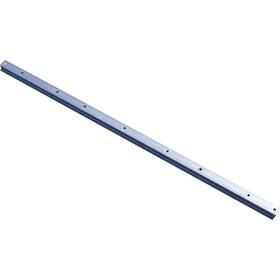
( Brand: Key Parts ), ( Manufacturer Part Number: 110437 ), ( Part Type: Bed ), ( Item Height: 50 )
Review KEY PARTS Chevrolet Gmc Pickup Truck Fleetside Or Stepside Bed Floor fits 1954-59
The **Key 110437** is a meticulously crafted, high-quality replacement part designed specifically for the **1954 1959 Chevrolet and GMC Fleetside and Stepside pickup truck bed floors**, ensuring a seamless fit and durable performance for classic vehicles in this iconic era. Engineered from **heavy-duty cold-rolled steel**, this bed floor is precision-cut to match the exact dimensions and contours of the original factory installation, eliminating the need for extensive modifications or welding. The sturdy construction not only restores structural integrity but also prevents sagging, warping, or rust-related deterioration over time, a common issue in aging trucks exposed to harsh conditions. Whether restoring a vintage workhorse, enhancing load-bearing capacity, or simply maintaining authenticity for show-quality builds, this bed floor serves as an essential upgrade that bridges the gap between originality and modern durability. Its clean, uncoated finish allows for easy customization, whether you choose to paint it to match your truck s aesthetic or apply a protective coating for added corrosion resistance. Perfect for both restoration enthusiasts and mechanics seeking a reliable, no-compromise solution, the **Key 110437** ensures your 1954 1959 Chevrolet or GMC retains its classic charm while delivering the strength and reliability expected of a true American original.
### **Pros and Cons of Buying a 1954 1959 Chevrolet/GMC Fleetside Stepside with a Flat Bed Floor**
#### **Pros**
1. **Classic American Muscle and Character**
These trucks are iconic, embodying the mid-century American automotive aesthetic with their bold styling, chrome accents, and powerful V8 engines (especially in later models). They offer a nostalgic driving experience that modern trucks cannot replicate.
2. **Strong Engine Options**
- **1954 1955:** 235 265 cubic inch inline-six engines (mild but reliable).
- **1956 1959:** Available **265 348 cubic inch V8s**, including the legendary **283, 305, and 348** (some with fuel injection in later years). These engines, when properly maintained, can still deliver strong performance, especially with modern upgrades.
- **Overhead-valve design** is simpler and more forgiving than modern fuel-injected engines, making them easier to work on.
3. **Durable and Simple Mechanics**
- **Mechanical fuel injection (1957 1959 V8s)** improves throttle response and power compared to carbureted engines.
- **Manual transmissions** (3-speed or 4-speed) are robust and easier to repair than modern automatics.
- **Solid rear axles** with leaf springs provide a classic, no-frills suspension that can handle rough roads well if maintained.
- **Less electronic complexity** means fewer things can go wrong over time compared to modern trucks with computers, sensors, and fuel injection systems.
4. **Customization Potential**
- These trucks are highly modifiable, from engine swaps (big-block Chevy, small-block Ford, or even diesel conversions) to suspension upgrades, custom paint, and interior restyling.
- Aftermarket support exists for parts like **performance exhausts, headers, carburetors, and suspension components**.
5. **Lower Running Costs (If Well-Maintained)**
- **Basic maintenance** (oil changes, valve adjustments, fuel system cleaning) is relatively inexpensive compared to modern trucks.
- **Parts are widely available**, especially for common models like the 283 and 305 V8s.
- **No modern electronic failures** (e.g., no ECU glitches, no hybrid battery concerns).
6. **Driving Experience**
- **Responsive steering** (especially in lighter models like the 1/2-ton).
- **Engaging manual transmissions** offer a more connected driving experience than modern automatics.
- **V8 models** (especially with fuel injection) can still pull well, making them fun for towing light loads or hauling.
7. **Potential for Restoration or Daily Use**
- If restored properly, these trucks can be **daily drivers** in mild climates, though they lack modern comforts like power steering, air conditioning, and modern safety features.
- **Project trucks** can be rewarding for enthusiasts who enjoy working on classic vehicles.
---
#### **Cons**
1. **High Maintenance Requirements**
- **No power steering or power brakes** driving requires significant effort, especially in larger models or when towing.
- **Manual transmissions** are less convenient for stop-and-go driving in traffic.
- **V8s (especially older carbureted ones) are thirsty** expect **12 16 MPG** in a 1/2-ton, less in heavier models.
- **Rust** is a major issue, particularly in the frame, floor pans, and wheel wells. A thorough inspection is **mandatory**.
- **Suspension components** (shock absorbers, springs, bushings) wear out over time and may need frequent replacement.
2. **Poor Modern Safety and Comfort**
- **No modern safety features** (airbags, stability control, anti-lock brakes, electronic traction control).
- **Basic interiors** with no seat belts (in some models), poor sound insulation, and limited visibility.
- **No power windows, locks, or cruise control** everything is manual.
- **Poor fuel economy** makes them impractical for long-distance driving.
3. **Reliability and Longevity Concerns**
- **Original engines and transmissions** may have **hundreds of thousands of miles** on them, requiring **major overhauls** (valve jobs, rod bearing replacements, transmission rebuilds).
- **Fuel system issues** (carburetor clogging, vapor lock in hot climates) can be problematic.
- **Electrical systems** are basic (no alternators in some models, weak wiring) and prone to failure.
4. **Limited Modern Convenience**
- **No air conditioning** (early models had optional fans, but no A/C until the late '50s).
- **No modern infotainment or Bluetooth** radio options are limited to AM/FM (if working).
- **No modern towing/hauling capabilities** these trucks were not built for heavy-duty use. Towing capacities are **low** (e.g., 1/2-ton models max out at 2,000 3,000 lbs).
5. **Parts and Restoration Costs**
- **Replacement parts** (especially for rare models) can be **expensive** if not sourced from specialty suppliers.
- **Restoration projects** (bodywork, frame repair, engine rebuilds) can **easily cost $10,000 $50,000 **, depending on condition.
- **Labor costs** for classic trucks are higher than for modern vehicles due to specialized mechanics.
6. **Driving Limitations**
- **High seating position** can make visibility difficult in tight spaces.
- **Manual transmissions** are not ideal for city driving or stop-and-go traffic.
- **Poor fuel efficiency** makes them impractical for daily use in many regions.
7. **Depreciation and Market Value**
- **Classic trucks depreciate quickly** unless they are **showroom-quality restorations**.
- **Insurance costs** can be high due to age, lack of modern safety features, and potential for total loss in an accident.
---
### **Ending Conclusion**
A **1954 1959 Chevrolet/GMC Fleetside Stepside with a flat bed floor** is a **fantastic choice for an enthusiast** who:- **Loves classic American muscle cars** and wants a unique, high-performance truck.
- **Enjoys working on mechanical projects** and is willing to invest time and money in maintenance.
- **Prioritizes driving experience and character** over modern convenience.
- **Plans to use it as a weekend project, show truck, or occasional driver** rather than a daily vehicle.
However, it is **not ideal for**:- **Everyday drivers** who need reliability, fuel efficiency, and modern safety.
- **Those unwilling to invest significant time and money** in repairs and restoration.
- **People who require heavy towing/hauling** (modern trucks are far superior in this regard).
---
### **Final Recommendation**
**Buy if:**You have **mechanical skills** or access to a trusted mechanic.
You **enjoy restoration projects** and want a **unique, high-performance classic truck**.
You **plan to use it sparingly** (weekends, cruising, shows) rather than daily.
You **find a well-documented example** with **minimal rust, a solid engine, and a good transmission**.
You **budget for major repairs** (engine, suspension, electrical) within the first few years.
**Avoid if:**You need a **reliable daily driver** with modern safety and comfort features.
You **cannot afford or do not want to spend** $10,000 $30,000 on restoration.
You **live in a cold climate** (poor heating, rust concerns).
You **require heavy towing** (modern trucks are far better suited).
You **prefer plug-and-play convenience** over hands-on maintenance.
#### **Best Approach:**- **Inspect thoroughly** for rust, engine condition, and transmission health.
- **Test drive carefully** check for smooth shifting, no excessive noise, and proper braking.
- **Consider a "project truck" first** if you're unsure about commitment.
- **Prioritize V8 models (especially fuel-injected 283/305/348)** for better performance and reliability.
- **Budget for a full restoration** if buying one that needs significant work.
If you meet the right criteria, a **1954 1959 Chevy/GMC Fleetside** can be an **incredible investment in automotive history** but it demands respect, patience, and passion. Otherwise, a **modern classic truck (e.g., 1970s 1990s GMC/Chevrolet)** or a **restored modern truck** may be a more practical choice.
Details:
Each reinforcement strip has pre-punched holes in with the original bolt pattern. Measures 49-3/8 x 2-1/8 1.Confused about wood bed parts terminology and what you might need to add or replace. The link below to find answers:Truck Bed wood - A Beginners Guide.
part #: 110437 prices
- $5.00-$6.76
specifications otruckbedaccessories:
- for makes: Chevrolet, Gmc
- for years: 1954-59
- brand: Key Parts
- mpn: 110437
- part type: Bed
- item height: 50
shipping otruckbedaccessories:
- service: UPS Ground, UPS 2nd Day Air
- type: Calculated
- transit: 3-7 Days
- cost: $102.47
- carrier: UPS
- class: Standard, Expedited
seller otruckbedaccessories:
- rating: 99.7%
- city: Huntington Beach, California
- # reviews: 67057
returns otruckbedaccessories:
- policy: Returns Accepted
- time: 30 Days
- paid by: Seller
offer otruckbedaccessories:
- sold: 0
- quantity: 3
- started: June 9, 2026
- availability: In Stock
- options: Ship-to-home
payments otruckbedaccessories:
- other
- credit card: Discover
- wallet: Apple-pay
general otruckbedaccessories:
- condition: New
- Exterior Parts Accessories > Truck Beds Parts > Truck Bed Accessories
Key Parts 110437 Is Similar To:
- 0848-198 Key Parts Custom Front Bed Panel Truck Fleetside Be (50.3% similar) Key Parts custom front bed panel Chevy gmc truck fleetside be PANEL1960-1966 bed for wood to steel floor conversions allows the use of gm complete assembly and either or wheel tubs used in trucks...(June 6th, 2021)
- Spec-d Tuning 841808181924 Fits 20 Inch Heavy Duty Black Aluminum Tool Box Truck Pickup Storage Lock Key (28.9% similar) Comes with 1 piece of tool box, anti-theft lock, and two Keys. Size: 20 l x 6 w 8. Buying on multiple offers. Made of high quality heavy duty black aluminum which is extremely durable and long lasting. Fits 20 heavy duty black aluminum tool box truck pickup storage lock Key. Box address or any other...(August 4th, 2023)
- Delta 954000 Aluminum Truck Storage Tool Box 60w 19l 17h With Lock And Key Used (24.4% similar) I did a bit of oiling on the locks and hinges. The front bottom left had a dent in it. The box opens, closes and locks fine. If you are 400 miles from 60463, it is $400 400 there, back .50 per mile. It was pounded out and is pretty flat now. It will basically be .50 per mile there and back. This ...(May 17th, 2024)
- Chevrolet Truck 147.gm8s05 2005 Chevy Ssr Tonneau Lock Box Assembly Under Bed With Key Oem (32% similar) Find us on Facebook. Harnesses will likely require modification of some sort. R00394311 147.GM8S05 ZL8235. In reference to wiring harnesses: wiring harnesses not only change year year, but certain options on a vehicle can also cause changes the wiring harness. Miles means are unknown...(August 15th, 2024)
- Ram 68027145ad 2009-2025 1500 Rebel Oem.tailgate Box Divider Bed Extender Factory With Key (25.4% similar) Replaces: 68027145AD, 68027145AC. Message or call us for pricing and availability. 68027145AE, 37575C. Compatibility of Parts with cars. 2025 ram 1500 big horn, Laramie, limited, limited longhorn, lone star, rebel, tradesman, tradesman HF, tungsten 3.0L l6 - gas, 3.6L v6 electric/gas...(December 11th, 2024)
- Ozmich F55422 Aluminum Pickup Truck Trunk Bed Tool Box Trailer Storage Lock With Key 30 Inch X13 (32.4% similar) 1.100% brand new,never been tried or installed. And it constructed of heavy duty aluminum tread plate in a bright finish. Portable case, lightweight for easy carrying. The item is damaged during transport;. The item is lost during transit;. This is our aluminum truck tool box, perfect for trucks, RV...(January 4th, 2025)
- Cciyu Ze1159709317676001g 48 Inch X15 X-large Aluminum Trailer Pickup Truck Bed Tool Storage Box Lock Key (34% similar) Vehicle fitment. 48 X15 x-large aluminum trailer pickup truck bed tool storage box lock Key. Aluminum tool box made of premium in chrome finish solid construction. The tool box for trailer provides storage space your truck/trailer/garage/domestic use. Item features. Main material: aluminum and alloy...(January 5th, 2025)
- Racingcarpartshome R821518 1pc Stainless Steel Truck Tool Box Replacement T-handle Latch With Key Trailer Lock (19.7% similar) Specifications: overall dimensions 4.88 x 4.75 ; configured with two Keys per latch. Widely used: this trailer latch can be installed in a variety of boxes, such as toolboxes, vehicle RVs, trucks, trailers, TVs, ATV, and more. Easily replace broken or worn toolbox latches. Details: durable: this ...(January 8th, 2025)
- Key Parts 49-7955 Ford F150 Passenger Side Rocker Panel (37.7% similar) 1997 ford F150 pickup 2WD 1998 1999 2000 2001 2002 2003 4WD F250. This fits the following...(January 17th, 2025)
- Munirater Tsp39390s New 49 Inch Aluminum Diamond Plate Tool Box Pick Up Truck Bed Storage Lock With Key (34.4% similar) Key included: yes. Protective lock cap - the lock features a cap which will keep water or duct from entering the lock, ensuring locks performance for years. Overall dimensions: 49 l x 15 w this tool box is constructed of textured aluminum for maximum durability. Rigid construction - 5 bar tread ...(January 22nd, 2025)
- First.racing Tl67561 33 Inch X12 X14 Black Aluminum Pickup Truck Bed Tool Box Trailer Storage With Lock Key (26.3% similar) Secure lock - stainless steel locking paddle latch is easy to open but keep contents secure. As the picture shown. 100% brand new, never been tried or installed. Rigid construction - solid one-piece aluminum body construction holds up to rugged use. Universal:perfect for all trucks the vehicle model...(January 24th, 2025)
