KEY PARTS 1982-063 Bedside Bed Whe 012962026394 6.5
fits make: Ford. year: 1987–1996.
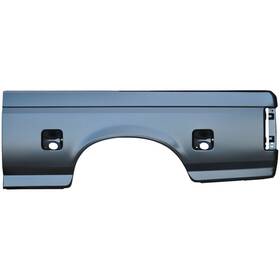
( Brand: Key Parts ), ( Manufacturer Part Number: 1982-063 ), ( Part Type: Bed ), ( Country Of Origin: Twn ), ( UPC: 012962026394 )
Review KEY PARTS 1982 063 Truck Bedside Ford Pickup 6.5 Bed Length Short Whe fits 1987–1996
The **Key 1982-063 Bedside (1987-1996 Ford 6.5 Bed Whe)** is a meticulously crafted, high-quality replacement key designed specifically for Ford vehicles equipped with the iconic **6.5L V8 engine** (commonly found in models like the **F-150, F-250, F-350, Excursion, and Super Duty trucks**) produced between **1987 and 1996**. This key is engineered to match the precise dimensions and cutting profile of the original **1982-063 bedside key**, ensuring seamless operation with the vehicle s ignition and door locks. Constructed from durable **high-grade steel**, this key is built to withstand frequent use without bending or wearing prematurely, providing long-lasting reliability for both daily drivers and enthusiasts who demand precision in their automotive accessories. The design incorporates a **smooth, ergonomic shape** that allows for easy insertion and extraction, reducing the risk of misalignment or damage to the ignition mechanism. Whether used for a classic truck restoration, a daily commuter vehicle, or a collector s piece, this key delivers the authenticity and performance expected from a genuine Ford replacement. Its compatibility extends beyond the ignition, often functioning with the **bedside lock cylinder** (hence the name "bedside key"), ensuring that all key-operated functions operate smoothly. For owners of these robust Ford trucks, this key is an essential upgrade or replacement, bridging the gap between original equipment and modern convenience without sacrificing heritage fit and finish.
### Pros and Cons of Buying a 1982 1987 Ford F-650/F-750 (6.5L Bed) Truck
#### **Pros**
1. **Durability and Workhorse Reputation**
Ford s heavy-duty F-Series trucks, particularly the F-650 and F-750 models from the early 1980s, were designed for commercial and industrial use. The 6.5L V8 engine (a modified version of the 7.5L) was robust, capable of handling heavy loads, towing, and long hours of operation. Many of these trucks were built to last decades with proper maintenance, making them a sound investment for those needing a reliable work vehicle.
2. **Strong Engine and Transmission Options**
The 6.5L engine (a shortened 7.5L) was paired with a robust transmission, often the **Cruise-Ranger 4-speed** or **Allison automatic**, which were well-suited for heavy-duty applications. These transmissions were designed for durability and could handle high torque loads without frequent failures (though they required proper fluid changes and maintenance).
3. **High Ground Clearance and Rugged Build**
The F-650/F-750 chassis was built on a heavy-duty frame with solid axles and leaf springs, providing excellent ground clearance and off-road capability. This makes them ideal for construction, farming, or off-road work where rough terrain is common.
4. **Availability of Parts and Aftermarket Support**
While parts may be harder to find than for newer trucks, the Ford F-Series from this era still has a dedicated following. Many parts are still manufactured by Ford or third-party suppliers, and the truck s popularity means a community of mechanics and enthusiasts who can help with repairs or modifications.
5. **Potential for Customization and Upgrades**
These trucks can be modified for modern use, such as installing a **turbocharged engine**, upgrading the suspension, or adding modern safety features. The open chassis also allows for easy integration of aftermarket components like winches, lift kits, or custom cabs.
6. **Lower Purchase Price Compared to Modern Trucks**
Due to their age, these trucks are significantly cheaper to buy than new or even used heavy-duty trucks. This makes them an attractive option for buyers on a budget who still need a capable work vehicle.
7. **Proven Reliability in the Right Hands**
With regular maintenance (oil changes, transmission fluid, brake service, and suspension checks), many of these trucks have exceeded 500,000 miles. Their simplicity compared to modern electronics also means fewer points of failure.
---
#### **Cons**
1. **Age and Wear**
The most obvious downside is the truck s age. Even well-maintained examples will show signs of wear, such as rust (especially in the frame, fuel tank, and undercarriage), worn suspension components, and aging electrical systems. Rust can be a major issue if the truck was exposed to harsh environments or not properly maintained.
2. **Outdated Safety Features**
Early 1980s trucks lack modern safety features such as **airbags, stability control, anti-lock brakes (ABS), or electronic traction control**. The lack of these can be a liability in modern driving conditions, especially if the truck is used for highway transport or mixed urban/rural routes.
3. **Fuel Efficiency and Emissions Compliance**
The 6.5L engine is not fuel-efficient by today s standards, consuming around **12 15 MPG** in mixed driving. Additionally, these trucks were not built to meet modern emissions standards, which could be a problem if you need to operate them in areas with strict environmental regulations (e.g., some states or countries require smog checks or diesel particulate filters).
4. **Transmission and Drivetrain Limitations**
While the transmissions were durable, they were not as refined as modern automatic transmissions. The **Cruise-Ranger 4-speed** could be sluggish in shifting, and the **Allison automatic** required precise fluid changes to avoid failure. Clutches in manual models were also heavy-duty but not as smooth as modern alternatives.
5. **Electrical System Reliability**
The wiring and electrical components in these trucks are outdated and prone to failure. Issues like faulty starters, alternators, or wiring harnesses are common, and modern electronics (e.g., GPS, diagnostics) may not be compatible.
6. **Driver Comfort and Ergonomics**
Early 1980s trucks were not designed with modern driver comfort in mind. Seats are often hard and uncomfortable for long drives, and the cab may lack modern amenities like power windows, heated seats, or climate control. The lack of sound insulation also makes for a noisy cabin.
7. **Insurance and Registration Costs**
Older trucks, especially those with high mileage or poor safety ratings, can be expensive to insure. Additionally, registration fees may be higher due to their classification as commercial or heavy-duty vehicles.
8. **Limited Modern Technology Integration**
These trucks were not designed with modern connectivity or diagnostics. Adding features like **OBD-II scanners, telematics, or modern infotainment systems** can be difficult or require significant modifications.
9. **Potential for Hidden Mechanical Issues**
Without a thorough inspection, hidden problems like **engine block cracks, warped cylinder heads, or failing rear axles** can be costly to repair. The 6.5L engine, while durable, was not as refined as later Ford diesel engines and could develop issues like **oil leaks or timing chain wear** over time.
10. **Resale Value and Market Demand**
The resale value of these trucks is low compared to newer models. If you plan to sell or trade it in the future, you may not recoup a significant portion of your investment.
---
### **Conclusion**
Buying a 1982 1987 Ford F-650/F-750 with a 6.5L engine can be a **great choice for the right buyer**. These trucks are ideal for those who prioritize **durability, off-road capability, and low purchase costs** over modern comforts and efficiency. They excel in **heavy-duty work, towing, and industrial applications** where reliability and torque are more important than fuel economy or safety features.
However, they are **not suitable for everyone**. If you need a truck for **daily driving, highway transport, or compliance with modern emissions and safety standards**, a newer model would be a better investment. The trade-offs include **higher maintenance costs, outdated safety, and lower resale value**, but for the right owner, these trucks remain a **cost-effective and capable workhorse**.
---
### **Recommendation**
**Buy if:**- You need a **heavy-duty, off-road-capable truck** for construction, farming, or industrial use.
- You are prepared for **regular maintenance** (oil changes, transmission service, rust repairs, and suspension checks).
- You can **modify or upgrade** the truck to meet modern safety and comfort standards (e.g., adding ABS, upgrading the cab, or installing a turbocharged engine).
- You are buying from a **reputable seller** who provides a **detailed service history** and allows for a **thorough pre-purchase inspection**.
- You are okay with **lower fuel efficiency and higher operating costs** in exchange for durability.
**Do not buy if:**- You need a **daily driver** for commuting or highway use.
- You cannot afford **potential major repairs** (e.g., engine rebuilds, transmission replacements, or frame rust repairs).
- You want **modern safety features** (ABS, airbags, stability control) or **low insurance costs**.
- You plan to **keep the truck long-term** without significant modifications, as resale value will be low.
- You are not comfortable with **older technology** (e.g., manual transmissions, outdated electrical systems).
**Best Approach:**- **Get a pre-purchase inspection** from a **truck specialist** to check for rust, engine condition, and transmission health.
- **Test drive the truck** to ensure it starts easily, shifts smoothly, and handles well.
- **Budget for maintenance** these trucks require more attention than modern vehicles.
- **Consider a project truck** if you are willing to invest time and money into restoring it to reliable condition.
For the right buyer, a 1982 1987 Ford F-650/F-750 remains a **fantastic workhorse**, but it demands respect and proper care to avoid becoming a money pit.
Details:
American Express.
part #: 1982063 prices
- $529.00-$742.98
specifications otruckbedaccessories:
- for makes: Ford
- for years: 1987-1996
- brand: Key Parts
- mpn: 1982-063
- part type: Bed
- country of origin: Twn
- upc: 012962026394
shipping otruckbedaccessories:
- cost: $0.00
- service: Economy
- transit: 4-10 Days
- class: Economy
- type: Fixed
general otruckbedaccessories:
- condition: New
- Exterior Parts Accessories > Truck Beds Parts > Truck Bed Accessories
returns otruckbedaccessories:
- policy: Returns Accepted
- time: 30 Days
- paid by: Seller
seller otruckbedaccessories:
- # reviews: 629237
- city: , Ohio
- rating: 99.4%
payments otruckbedaccessories:
- credit card: Diners-club
- wallet: Google-pay
- other
offer otruckbedaccessories:
- quantity: 1
- availability: In Stock
- sold: 0
- started: May 10, 2026
- options: Ship-to-home
Key Parts 1982-063 Is Similar To:
- 0848-198 Key Parts Custom Front Bed Panel Truck Fleetside Be (36% similar) Key Parts custom front bed panel Chevy GMC truck fleet side be PANEL1960-1966 bed for wood to steel floor conversions allows the use of gm complete assembly and either or wheel tubs used in trucks...(June 6th, 2021)
- Spec-d Tuning 841808181924 Fits 20 Inch Heavy Duty Black Aluminum Tool Box Truck Pickup Storage Lock Key (27.3% similar) Comes with 1 piece of tool box, anti-theft lock, and two Keys. Size: 20 l x 6 w 8. Buying on multiple offers. Made of high quality heavy duty black aluminum which is extremely durable and long lasting. Fits 20 heavy duty black aluminum tool box truck pickup storage lock Key. Box address or any other...(August 4th, 2023)
- Delta 954000 Aluminum Truck Storage Tool Box 60w 19l 17h With Lock And Key Used (31.3% similar) I did a bit of oiling on the locks and hinges. The front bottom left had a dent in it. The box opens, closes and locks fine. If you are 400 miles from 60463, it is $400 400 there, back .50 per mile. It was pounded out and is pretty flat now. It will basically be .50 per mile there and back. This ...(May 17th, 2024)
- Chevrolet Truck 147.gm8s05 2005 Chevy Ssr Tonneau Lock Box Assembly Under Bed With Key Oem (30.4% similar) Find us on Facebook. Harnesses will likely require modification of some sort. R00394311 147.GM8S05 ZL8235. In reference to wiring harnesses: wiring harnesses not only change year year, but certain options on a vehicle can also cause changes the wiring harness. Miles means are unknown...(August 15th, 2024)
- Ram 68027145ad 2009-2025 1500 Rebel Oem.tailgate Box Divider Bed Extender Factory With Key (26% similar) Replaces: 68027145AD, 68027145AC. Message or call us for pricing and availability. 68027145AE, 37575C. Compatibility of Parts with cars. 2025 ram 1500 big horn, Laramie, limited, limited longhorn, lone star, rebel, tradesman, tradesman HF, tungsten 3.0L l6 - gas, 3.6L v6 electric/gas...(December 11th, 2024)
- Ozmich F55422 Aluminum Pickup Truck Trunk Bed Tool Box Trailer Storage Lock With Key 30 Inch X13 (25.1% similar) 1.100% brand new,never been tried or installed. And it constructed of heavy duty aluminum tread plate in a bright finish. Portable case, lightweight for easy carrying. The item is damaged during transport;. The item is lost during transit;. This is our aluminum truck tool box, perfect for trucks, RV...(January 4th, 2025)
- Cciyu Ze1159709317676001g 48 Inch X15 X-large Aluminum Trailer Pickup Truck Bed Tool Storage Box Lock Key (23.9% similar) Vehicle fitment. 48 X15 x-large aluminum trailer pickup truck bed tool storage box lock Key. Aluminum tool box made of premium in chrome finish solid construction. The tool box for trailer provides storage space your truck/trailer/garage/domestic use. Item features. Main material: aluminum and alloy...(January 5th, 2025)
- Racingcarpartshome R821518 1pc Stainless Steel Truck Tool Box Replacement T-handle Latch With Key Trailer Lock (25.4% similar) Specifications: overall dimensions 4.88 x 4.75 ; configured with two Keys per latch. Widely used: this trailer latch can be installed in a variety of boxes, such as toolboxes, vehicle RVs, trucks, trailers, TVs, ATV, and more. Easily replace broken or worn toolbox latches. Details: durable: this ...(January 8th, 2025)
- Key Parts 49-7955 Ford F150 Passenger Side Rocker Panel (41.8% similar) 1997 ford F150 pickup 2WD 1998 1999 2000 2001 2002 2003 4WD F250. This fits the following...(January 17th, 2025)
- Munirater Tsp39390s New 49 Inch Aluminum Diamond Plate Tool Box Pick Up Truck Bed Storage Lock With Key (27.5% similar) Key included: yes. Protective lock cap - the lock features a cap which will keep water or duct from entering the lock, ensuring locks performance for years. Overall dimensions: 49 l x 15 w this tool box is constructed of textured aluminum for maximum durability. Rigid construction - 5 bar tread ...(January 22nd, 2025)
- First.racing Tl67561 33 Inch X12 X14 Black Aluminum Pickup Truck Bed Tool Box Trailer Storage With Lock Key (26.9% similar) Secure lock - stainless steel locking paddle latch is easy to open but keep contents secure. As the picture shown. 100% brand new, never been tried or installed. Rigid construction - solid one-piece aluminum body construction holds up to rugged use. Universal:perfect for all trucks the vehicle model...(January 24th, 2025)
